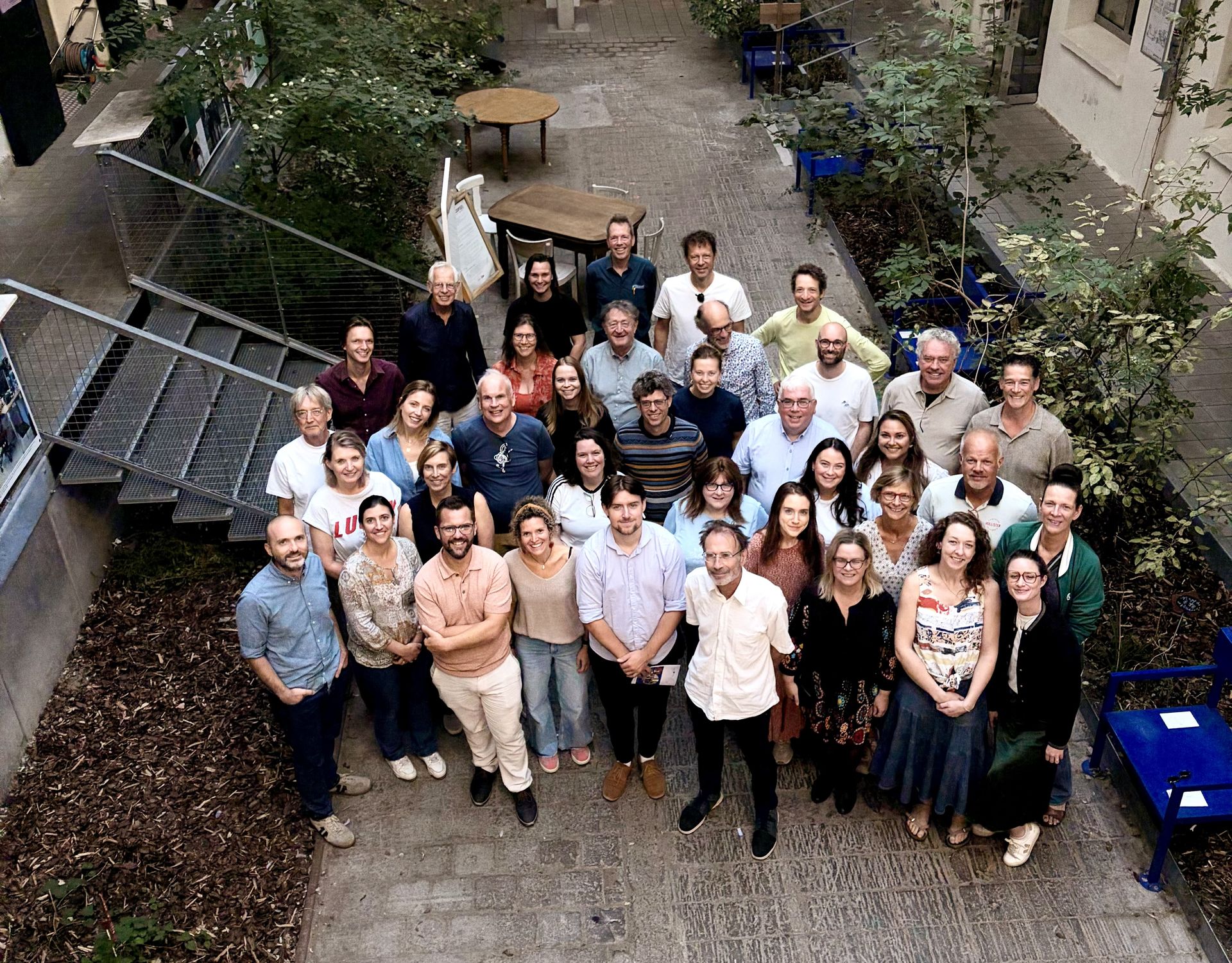
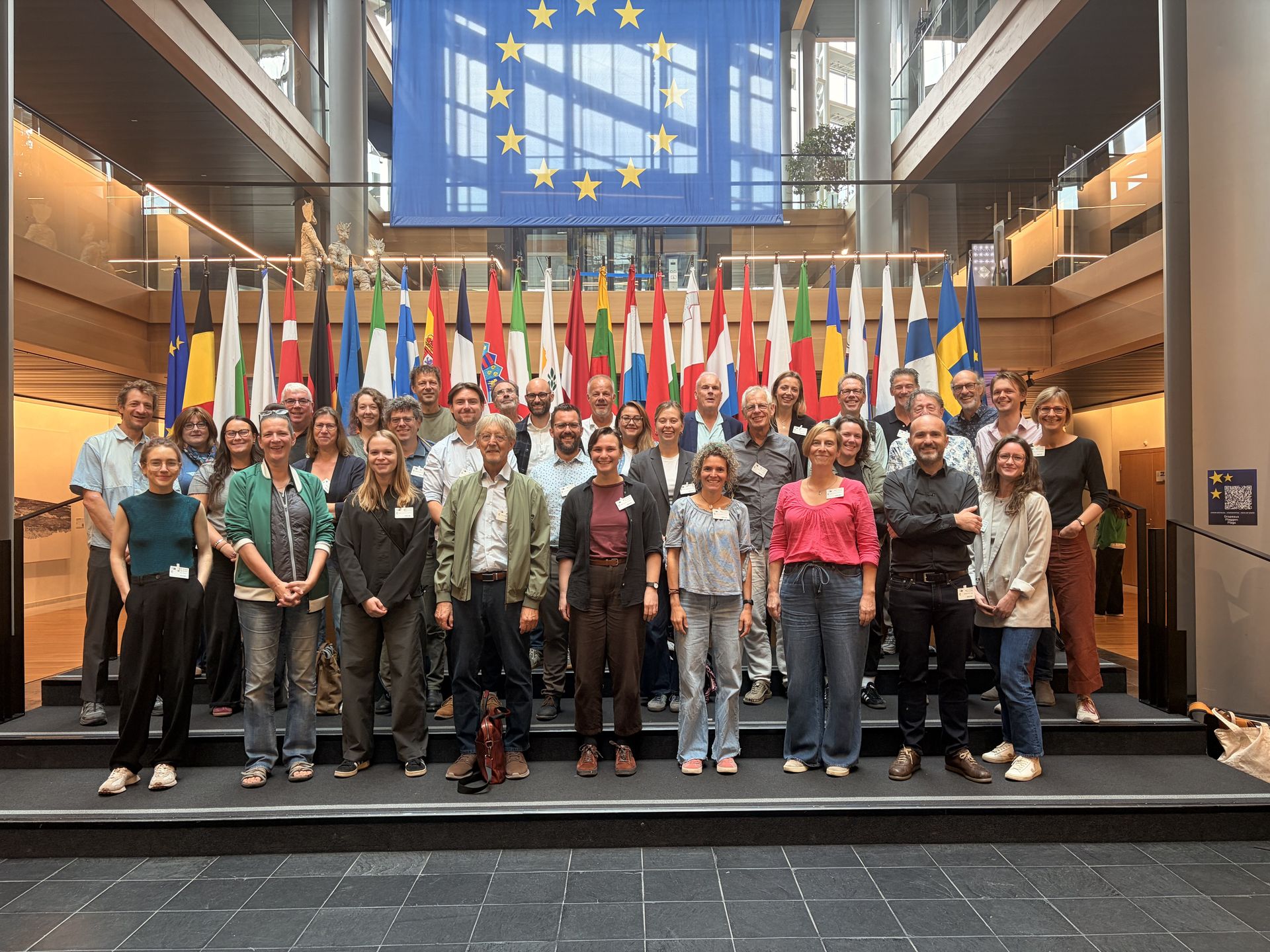
On 1 October, the Citizen Energy Forum took place in Brussels. For European citizen energy initiatives, this annual event is an important opportunity to meet, exchange experiences and discuss the progress of local energy initiatives. At the same time, E2-CUTIES partners met in Strasbourg, including a visit to an emblematic place for European cooperation: the European Parliament. For now, it was simply a visit, but a symbolic one.
The visit closed a three-day project meeting, bringing together 43 participants: 18 representatives of citizen energy initiatives, 13 public authorities and 12 expert supporters.
Exchanging Dutch, French, Belgian and Irish experiences
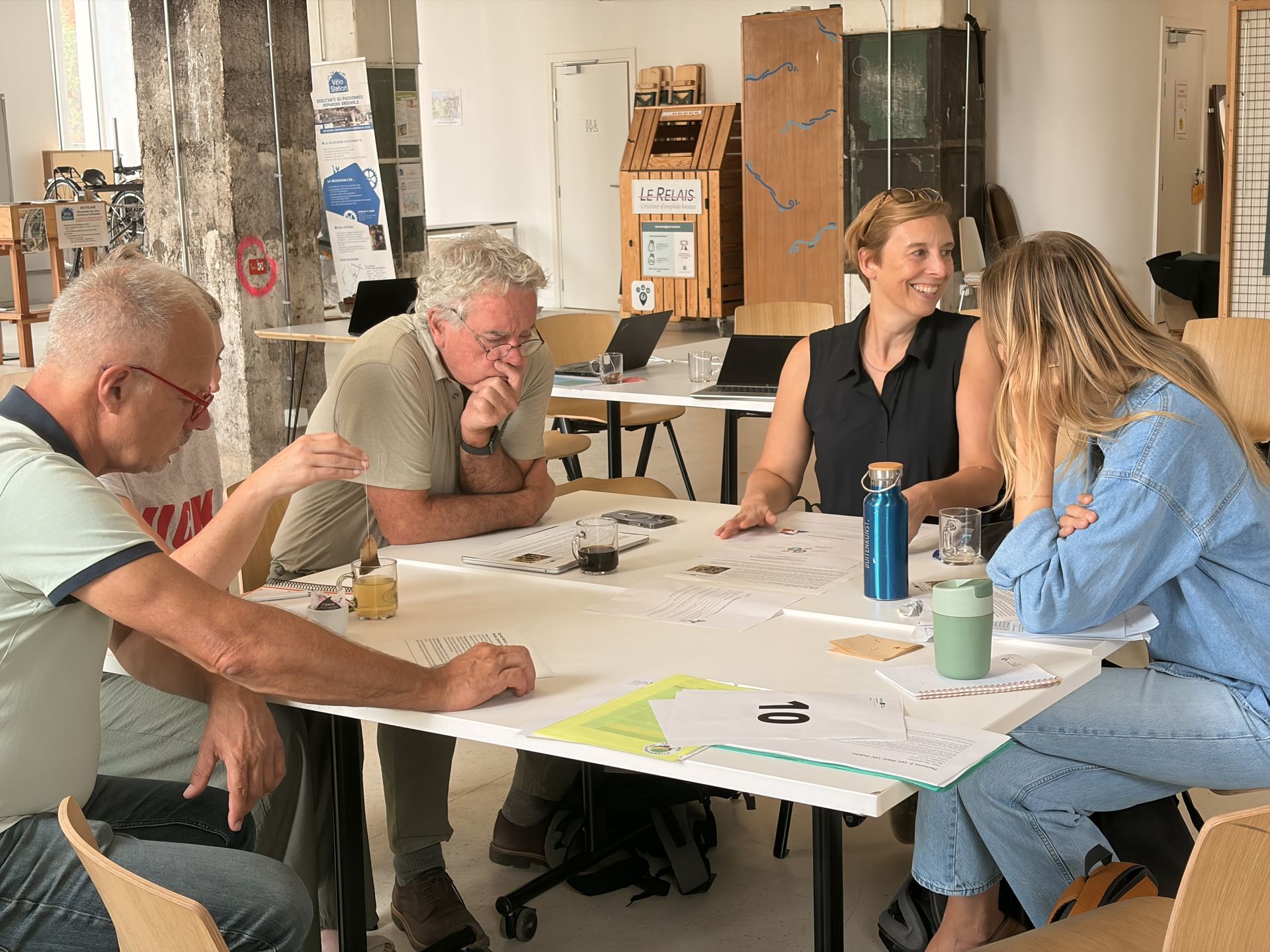
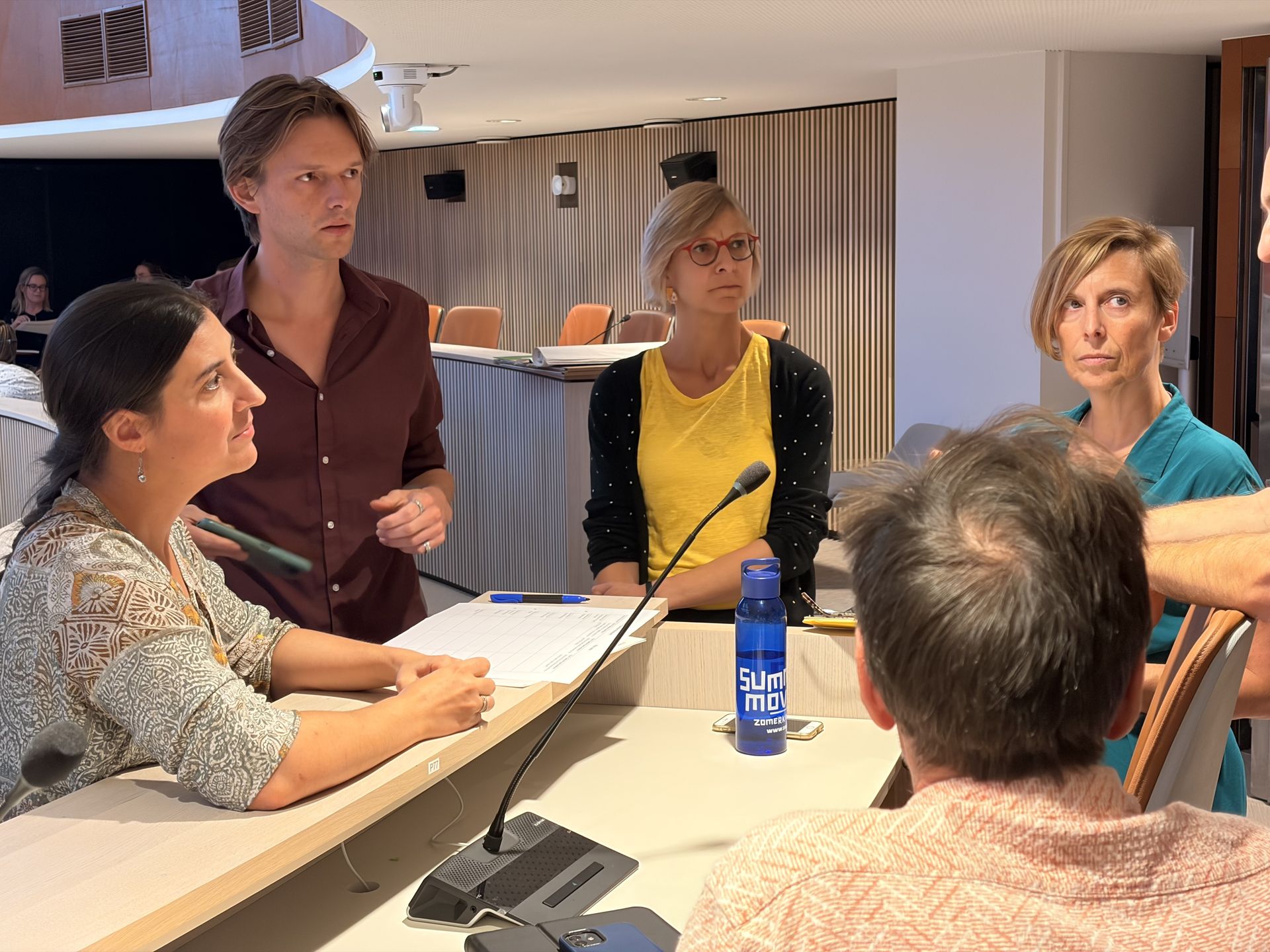
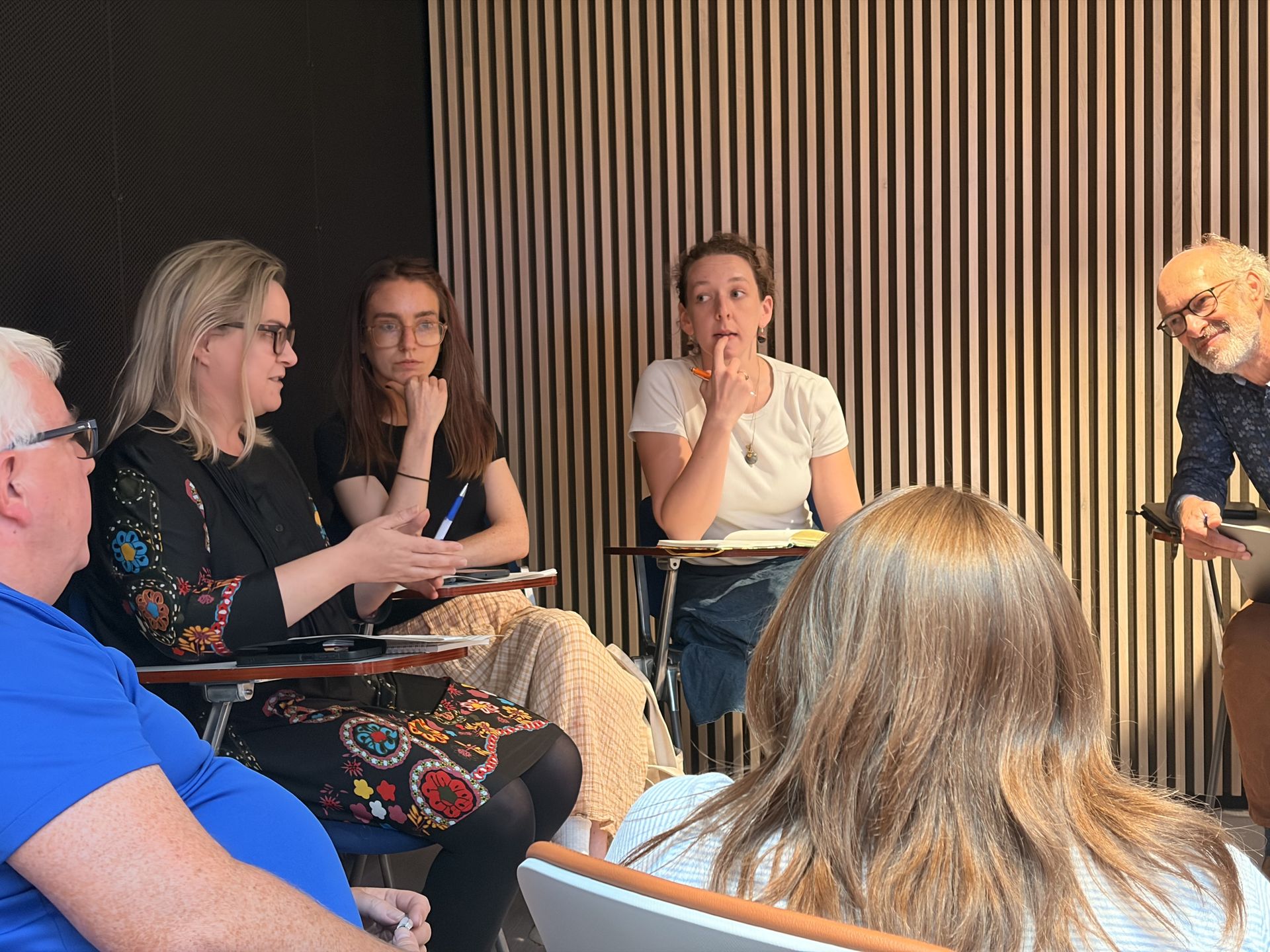
How can we convince people to join a district heating network? How can we build residents’ support before there is a concrete plan? How can we encourage people to become long-term volunteers? What division of roles and responsibilities works best between municipalities and citizen initiatives? These questions were all explored through peer-to-peer exchanges in the Community of Practice.
Among the experiences shared, the citizens initiatives in Utrecht presented their “right to grow” approach that they have co-developped together with the municipality of Utrecht. It gives citizens time and space, with support from institutional partners such as the municipality, to get organised and develop their cooperative. It also gives the municipality opportunities to improve the collaboration with the citizens initiatives and strengthen their role as energy communities enabler.Another example showed how regular cooperation can support long-term collaboration. The municipality of Utrecht and and their partners, the three local citizen cooperatives Oog voor Warmte, Warm Lunetten and Griftstroom have regular meeitngs and coordinate their communication strategy, each from their own identity ,helping citizens to build trust and support the cooperative’s long-term sustainability.
In Dublin County, the local county council gives a prominent role to the local Sustainable Energy Community (SEC) in the decarbonisation of the designated area in Balbriggan. This illustrates how municipalities can give citizen-led organisations a meaningful role in delivering local climate action, rather than treating them only as beneficiaries or consultees.
In Strasbourg, the local energy community and the metropolitan area are also working hand in hand to identify potential sites for new cooperative projects and organise public meetings. This two-way approach helps the cooperative identify new opportunities while raising residents’ awareness of the benefits of future projects and of the cooperative’s activities more broadly.
In Leuven, the city shared how resident surveys can provide a useful basis for planning. By collecting information about residents’ energy behaviour and their potential interest in connecting to a collective heating network in the short to medium term, the city of Leuven managed to better understand local needs.
Discovering local initiatives in Strasbourg
Citizens’ Energy projects
The three-day meeting also allowed participants to discover local energy initiatives in Strasbourg and see how citizen-led projects can move from local engagement to concrete energy production and consumption. One of the visits was to the Louvois site, where solar panels have been installed on the roof of a municipal school. The installation is now operational and supplies electricity through a self-consumption model involving local residents and a shop. The project illustrates how solar installations can create direct links between local production and local users, while also giving citizens a prominent role in the energy transition.
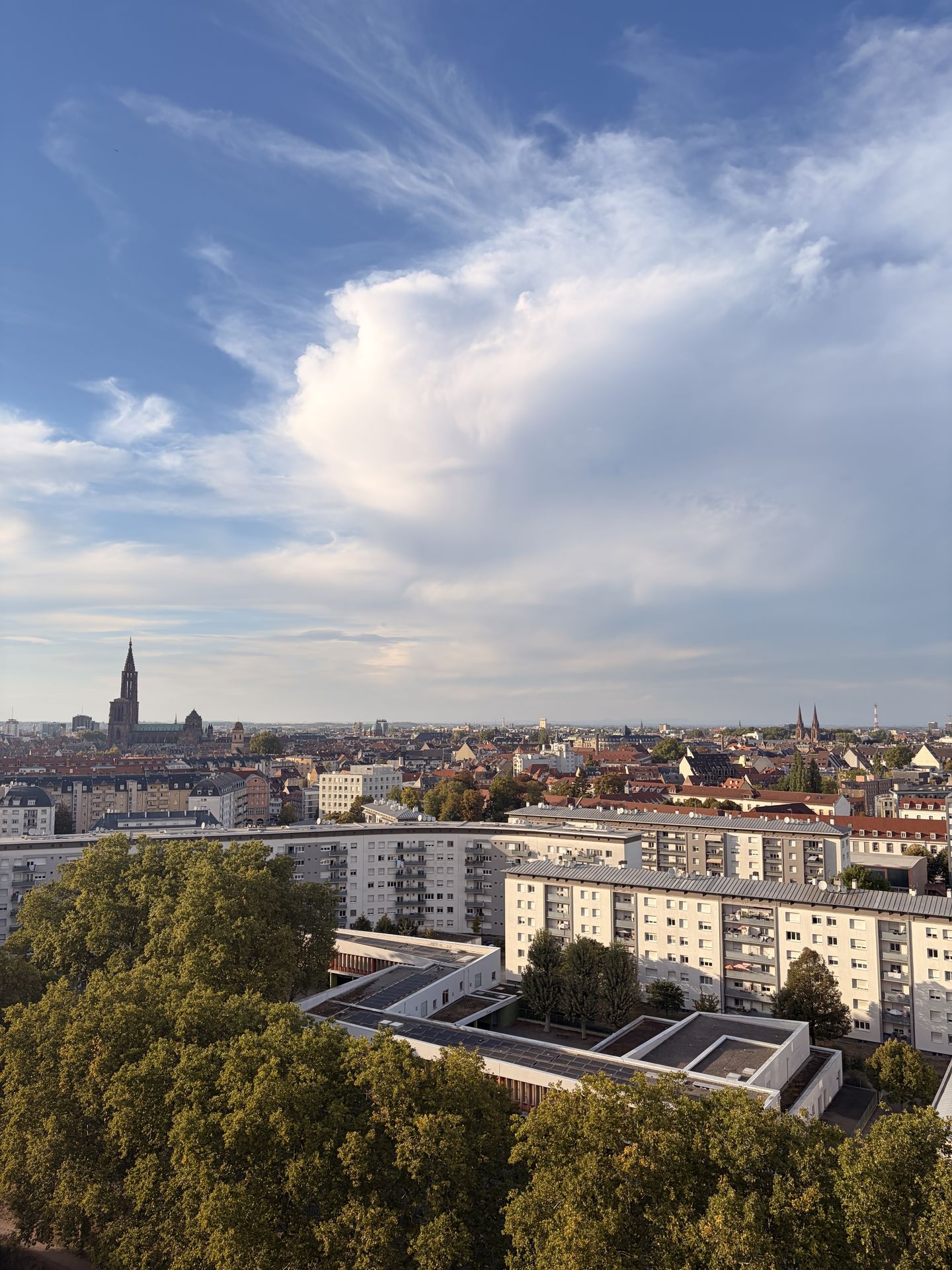
Other projects are being explored by Les Brasseurs d'Énergies, the local energy community in Strasbourg. These include another self-consumption model in the nearby municipality of Vendenheim and the possibility of developing a collective heating network on a small island in the heart of Strasbourg. Together, these examples show that citizen energy can take different forms depending on the local context, resources and needs, and that developing such projects requires cooperation between citizen initiatives, municipalities and other local actors.
Cooperatives
The visit also brought partners to Coopalim, a food cooperative, to explore the cooperative model beyond the energy sector. Cooperatives offer a different way of organising economic activity: people can be not only consumers, but also co-owners, participants and decision-makers. While cooperatives operate across many sectors, including energy, food, housing, banking, insurance, mobility, care and digital platforms, they share some common principles: a collective purpose beyond individual profit, shared responsibility, participatory decision-making and the mobilisation of resources over time.
Looking beyond the energy sector can therefore help identify both transferable practices and common challenges. The visit and the exchanges highlighted that building and sustaining a cooperative is not easy. Participation, representation, financing, professionalisation, continuity and decision-making all require sustained effort. Local governments seeking to support cooperatives face additional barriers, including gaps in supportive legislative frameworks and complex administrative procedures.
These challenges point to the importance of creating enabling conditions for citizen-led initiatives, rather than expecting communities to overcome structural barriers on their own. This is also one of the questions the project seeks to address: how can local authorities, citizen initiatives and other actors work together to remove some of the obstacles that prevent community-led energy projects from developing and lasting?
Taking stock halfway through the project
With the project approaching its halfway point, the meeting was an opportunity for the four pilot sites, Leuven (BE), Dublin-Balbriggan (IE), Utrecht (NL) and Strasbourg (FR), and the experts supporting them to take stock of the progress made so far. The exchanges showed that, while the pilots are progressing in different ways, they are facing many common challenges around building communities, setting up viable projects and establishing effective cooperation between local authorities and citizen initiatives.
To help the pilots address these challenges, four practical toolboxes are currently being developed, focusing on Community building, Legal and financial frameworks, Technical solutions and Governance models. Rather than providing one-size-fits-all solutions, the toolboxes aim to offer practical support that pilots can adapt to their local context as their projects develop.
In the coming months, the pilots will also work on developing investment propositions. These will help the project move from individual pilot experiences towards a shared methodology, capturing what works, under which conditions, and how these lessons can be transferred to other Local Energy Communities. The aim is therefore not only to support the four pilots, but also to turn their collective experience into knowledge and approaches that can be applied beyond the project.
These lively in-person discussions will be resumed in 2027 when all partners will meet again, this time in Dublin!